
🏠 Salvation Army Rent Assistance: Providing Warmth and Support for Seniors and Low-Income Households
Assistance for Seniors and Low-Income Households | Rent Assistance Programs
For many seniors and low-income households in the United States, paying rent can be a significant burden. Rising housing costs and limited income make it difficult to maintain stable and safe living conditions. Fortunately, the Salvation Army and partner programs provide rent assistance to help vulnerable populations stay in their homes.
🧠 What Is Salvation Army Rent Assistance?
Salvation Army rent assistance programs help eligible households pay part or all of their monthly rent. Assistance can include:
- Direct financial support to cover rent
- Referrals to government programs like Section 8 Housing Choice Vouchers
- Guidance on local emergency rental assistance programs
The goal is to reduce housing instability and ensure seniors and low-income families can live safely and with dignity.
📊 How Does Salvation Army Rent Assistance Work?
🔹 Nonprofit and Local Support
Local Salvation Army branches provide emergency rent assistance and can connect applicants to other nonprofit organizations or community action agencies.
🔹 Government Programs
Federal programs such as Section 8 vouchers and the Emergency Rental Assistance Program (ERAP) provide financial support based on household income, size, and rental costs. Assistance may cover part of the rent, utility costs, or short-term relocation if needed.
Hotlines like 2‑1‑1 can help locate available local programs.
❤️ Why Rent Assistance Matters for Seniors
Seniors often live on fixed incomes, making it challenging to afford rent and other necessities. Rent assistance provides:
- Financial Relief: Prevents seniors from having to choose between rent and essentials like food or medicine
- Health and Safety: Stable housing reduces stress and health risks associated with housing instability
- Peace of Mind: Ensures seniors can maintain independence and dignity
👵 Age Groups and Their Needs
Ages 55–65: Assistance eases the transition into retirement or reduced income.
Ages 65–75: Fixed-income seniors benefit from stable housing support.
Ages 75–85: Ensures safety and comfort as mobility and health needs increase.
Ages 85+: Critical support for the most vulnerable, preventing eviction and displacement.
Rent assistance helps seniors of all ages maintain safe, stable, and affordable housing.
📝 How to Apply for Rent Assistance
- Check Eligibility: Based on income, household size, and rent costs
- Contact Local Salvation Army Branches: Many branches manage applications or provide referrals
- Use 2‑1‑1 Hotline: Connects applicants with federal, state, and local programs
- Prepare Required Documents: Proof of income, lease agreement, and identification
- Receive Assistance: Funds may be paid directly to landlords or provided to the household
🌟 Other Support Services Beyond Rent Assistance
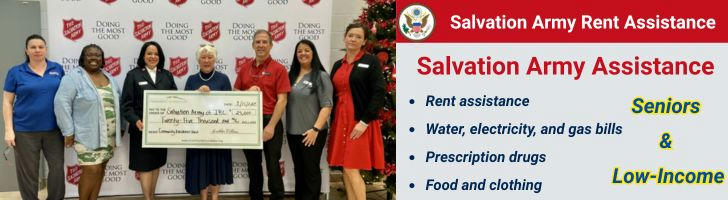
In addition to rent support, the Salvation Army and partner organizations may provide:
- Utility bill assistance
- Food and nutritional support
- Medical and prescription help
- Transportation or seasonal assistance programs
These combined services offer a comprehensive safety net for seniors and low-income households.
📖 Real Stories
Many seniors and low-income families have benefited from rent assistance. For example, a retired couple in their 70s was able to remain in their home during a winter heating crisis thanks to emergency rental and utility support from the Salvation Army. Stories like these highlight the importance of accessible, local support programs.
💡 Conclusion
Rent assistance programs offered by the Salvation Army and partner organizations provide vital support to seniors and low-income households. By helping maintain stable, safe housing, these programs reduce financial stress and enhance quality of life. Early application and community outreach are key to ensuring that those in need receive timely assistance.