
🐾 Complete Guide to Pet Assistance and Pet Insurance in the U.S. (2026)
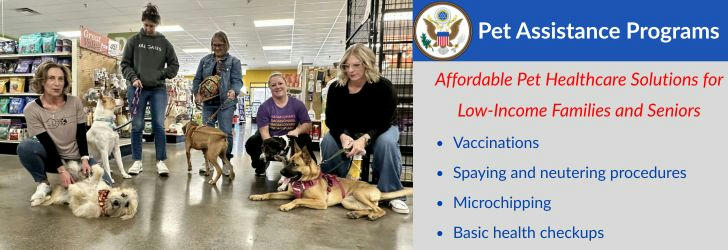
Affordable Pet Healthcare Solutions for Low-Income Families and Seniors
Pets bring joy to daily life, yet veterinary care can be costly. Low-income households and senior pet owners can benefit from government-supported pet assistance programs combined with reasonably priced commercial pet insurance to maintain pet health while managing expenses. This guide explains practical ways to use these resources effectively.
💡 Why Combining Pet Assistance and Insurance Matters
Pets are important family members, but rising veterinary costs create financial pressure for many households, especially:
- Low-income families: Routine medical needs such as vaccinations, spaying/neutering, and microchipping can create budget challenges
- Senior pet owners: Fixed incomes may limit the ability to cover unexpected veterinary bills
- Accidents or chronic conditions: Veterinary emergencies can be expensive
Using government or nonprofit pet assistance programs alongside commercial pet insurance provides a balanced approach to cover both routine and unexpected expenses.
🏛 Government-Supported Pet Assistance Programs
Pet assistance programs offer low-cost veterinary services supported by government or public institutions. Services typically include:
- Vaccinations
- Spaying and neutering procedures
- Microchipping
- Basic health checkups
Types of programs:
- Directly government-operated: Managed by local animal services departments
- Government-funded nonprofits: Nonprofits providing services with financial support from public programs
🐶 Examples of Local Government Low-Cost Pet Services
Pima County, Arizona provides veterinary services with reduced costs:
- Routine vaccinations and spaying/neutering
- Microchipping and basic health examinations
- Programs primarily aimed at low-income families and senior pet owners, with simplified appointment procedures
These services offer essential healthcare support for households with limited financial resources.
🚐 Government-Funded Nonprofit Services (Example: New York City)
ASPCA Mobile Spay/Neuter Services demonstrates a model of nonprofit services with public funding:
- Operated by the ASPCA, funded in part by the city’s Animal Population Control program
- Provides vaccinations, spaying/neutering, and basic veterinary care
- Focuses on assisting low-income households and senior pet owners
ASPCA itself is a nonprofit, but with municipal funding, it functions as part of the broader government-supported pet care network.
⚠️ Limitations of Government Pet Assistance
Pet assistance programs are valuable, but there are limitations:
- Coverage is typically limited to basic care
- Appointment availability may be constrained
- Chronic or emergency conditions are not usually included
- Availability and services vary by location
For pets with ongoing medical needs or emergencies, assistance programs may not fully meet requirements.
🛡 Reasonably Priced Pet Insurance as a Complement
Commercial pet insurance can supplement assistance programs, offering coverage for accidents, chronic conditions, or emergencies:
- Policies from established companies are available at different price levels
- Coverage may include accidents, illnesses, or comprehensive care
- Useful for households seeking long-term protection against unexpected veterinary costs
Pet insurance is not a government program; premiums, coverage limits, and policy terms vary by provider.
🐱 Pet Assistance vs. Pet Insurance: Comparison
| Feature | Government / Nonprofit Assistance | Commercial Pet Insurance |
|---|---|---|
| Provider | Government or nonprofit | Insurance company |
| Cost | Reduced cost services | Monthly premium based on plan |
| Coverage | Basic medical care, spay/neuter, vaccines | Accidents, illnesses, chronic conditions |
| Suitable for | Low-income families, senior pet owners | Families seeking comprehensive coverage |
| Can replace the other? | ❌ Not fully | ✅ Can provide long-term coverage |
Strategy: Households with budget constraints can first use assistance programs for routine care, then supplement with insurance for additional protection.
💡 Combining Assistance and Insurance
Routine care: Vaccinations, spaying/neutering, and checkups via assistance programs
Emergencies or chronic illnesses: Covered through commercial insurance
Age-based approach:
- Young pets: Focus on assistance programs, lower coverage insurance as needed
- Senior pets: Insurance covers chronic conditions; assistance addresses routine care
🐾 Age-Based Pet Care Recommendations
🐕 Puppies / Kittens (0–1 year)
- Vaccinations and deworming schedule
- Spaying/neutering when appropriate
- Microchipping
- Focus on assistance programs; insurance can be basic
🐶 Young Adults (1–5 years)
- Routine checkups every 6–12 months
- Dental care and preventive health
- Insurance can cover accidents and unexpected illnesses
🐕 Mature Adults (6–10 years)
- Monitor for early signs of chronic conditions
- Regular dental, joint, and organ health checks
- Combine assistance for routine care and mid-tier insurance for chronic issues
🐾 Seniors (10+ years)
- Frequent checkups for chronic conditions such as arthritis, kidney or heart disease
- Preventive care through assistance programs where available
- Insurance coverage for ongoing treatment and emergency care is recommended
Using age-based strategies helps manage costs effectively while maintaining quality care throughout a pet’s life.
📝 Tips for Choosing Pet Insurance
- Evaluate deductibles, waiting periods, and coverage limits
- Avoid aiming for full coverage; realistic plans are more cost-effective
- Select reputable, long-standing providers
- Combining with assistance programs can optimize care while controlling expenses
🐕 Real-Life Examples
- Low-income household: Uses Pima County’s vaccinations and spay/neuter services combined with modest insurance, keeping annual veterinary expenses manageable
- Senior pet owner: Utilizes ASPCA Mobile Spay/Neuter Services alongside mid-tier insurance for chronic condition coverage
These examples illustrate how combining assistance and insurance can reduce financial stress while maintaining pet health.
❓ Frequently Asked Questions
Is government assistance the same as insurance?
❌ No. Assistance mainly covers routine care; insurance provides broader coverage.
Can assistance and insurance be combined?
✅ Yes. Assistance handles routine care; insurance addresses emergencies or long-term treatments.
Is assistance sufficient without insurance?
Only for basic care; long-term or emergency needs may not be fully covered.
🌟 Conclusion
Veterinary expenses can be challenging for low-income families and senior pet owners. By leveraging government or nonprofit assistance programs for routine care and commercial pet insurance for emergencies and chronic illnesses, households can ensure pets receive appropriate care while keeping costs manageable. Thoughtful planning and combining these options offers both health protection for pets and financial peace of mind.