
🐾 State & Nonprofit Pet Assistance Programs: How Low-Income Families and Seniors Can Get Real Help
Nonprofit & Government Assistance | Veterinary Care, Spay/Neuter & Vaccination Subsidies | Pet Food | Support for Low-Income Families and Seniors
Struggling to afford your pet's medical care? Feeling the pressure of daily expenses?
Across the United States, government agencies and nonprofit organizations are offering verifiable, trustworthy pet assistance resources to help families and seniors on tight budgets continue caring for their pets. You don’t have to make difficult choices because of financial stress. From veterinary bills and pet food to emergency medical care, these programs provide practical support for you and your pets.
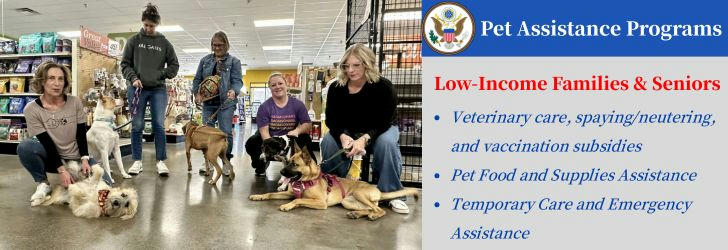
⭐ Nonprofit and Government Assistance: What Support Is Available?
According to publicly available information from Best Friends Animal Society and multiple state animal services, the U.S. offers the following types of assistance (services may vary by organization and location):
🏥 1. Veterinary Expense Assistance
Many organizations provide financial support or access to services, including:
- Basic medical care: vaccines, check-ups, minor treatments
- Spay/neuter subsidies or reduced-cost surgeries
- Emergency medical funds: for sudden illnesses or accidents
These programs aim to help families who cannot afford high veterinary bills, ensuring pets receive necessary care without delay.
🍗 2. Pet Food and Supplies Assistance
For families and seniors on tight budgets, daily pet expenses can be burdensome. Some nonprofits and community programs offer:
- Regular pet food distribution
- Delivery support for seniors or homebound individuals
For example, in some areas, Meals on Wheels programs deliver pet food to seniors at home, ensuring pets are well-fed while reducing household expenses.
🛡 3. Temporary Care and Emergency Assistance
Some organizations provide short-term support in urgent situations, including:
- Family illness or hospitalization
- Domestic violence or temporary crises
- Short-term inability to care for a pet
Support may include temporary fostering, emergency care, or short-term pet supervision, ensuring pets are well-cared for even when owners cannot provide it.
👵 4. Special Services for Seniors and Low-Income Families
Certain organizations offer discounts or priority services for specific groups:
- Low-cost care programs: designed for budget-conscious pet owners
- Senior-only assistance days: special discounts for individuals 65+
- Support for disabled or mobility-impaired owners: helping them continue pet care
These programs help those most affected by financial pressure maintain their pets' health and stable living conditions.
❓ Why Are More Families Seeking Pet Assistance?
Pet medical and daily care costs can be significant. Even routine vaccines, spay/neuter surgeries, or a single emergency visit can cost hundreds or even thousands of dollars. For seniors on fixed incomes, low-income families, or households facing temporary hardships, this can be a heavy burden.
Many pet owners feel helpless when facing high veterinary bills and may have to make painful decisions—delaying care, accumulating debt, or surrendering their pets. To help these families, Best Friends Animal Society compiles nationwide financial assistance resources for pet care.
🐶 What Pet Assistance Programs Are Available?
Assistance resources generally fall into national programs and state/local programs:
🌐 National Assistance Programs
- CareCredit & Scratch: veterinary financing plans to pay medical bills in installments
- RedRover Relief: emergency medical aid, disaster relief, and support for pets of domestic violence victims
- The Pet Fund: financial support for non-emergency but necessary medical care
- Paws 4 A Cure: national funding for pets needing medical care
- Brown Dog Foundation: assistance for emergency and chronic illness treatment
- AVMA (American Veterinary Medical Association): locate veterinary schools offering reduced-cost services
Crowdfunding platforms like GoFundMe can also be used as a short-term solution to help cover pet medical costs.
🗺 State and Local Assistance Examples
Some states and communities offer targeted programs (source: Best Friends official resources):
- Alaska: Friends of Pets provides emergency veterinary funds and low-cost spay/neuter
- Arkansas: For Pets’ Sake offers surgery, vaccination assistance, and pet food pantries
- California: Actors and Others for Animals, PAWS, and other organizations provide emergency medical and reduced-cost care
- Florida & Georgia: local shelters offer veterinary care and pet food assistance
- Illinois, Michigan, Oregon, Pennsylvania, Washington, Wisconsin: provide reduced-cost veterinary services, pet food distribution, and emergency assistance
Note: Services, application processes, and eligibility may vary by city and organization. Always consult the official website or contact the organization directly.
📍 Who Is Most Likely to Qualify?
Programs generally prioritize:
- Low-income families or budget-conscious pet owners
- Residents receiving SNAP, SSI, or other public benefits
- Seniors 65+ or individuals living on fixed incomes
- Households experiencing temporary hardships (hospitalization, unemployment, or crisis)
The goal is to keep pets in loving homes without forcing owners to surrender them due to financial constraints.
🐾 Pet Assistance by Pet Age
Different life stages of pets come with different care needs. Many assistance programs tailor support based on your pet’s age:
0–1 years (Puppy/Kitten): Vaccines, check-ups, spay/neuter — low-cost medical and surgery aid.
1–3 years (Young Adult): Growth monitoring, nutrition — pet food and routine check-up support.
3–5 years (Adult): Weight management, behavior — low-cost exams and food assistance.
5–7 years (Mature Adult): Chronic disease prevention, dental care — testing subsidies and long-term nutrition support.
7+ years (Senior): Chronic treatment, regular check-ups — ongoing medical and food assistance.
👥 By Pet Owner Age
- 18–35: Focus on affordable vet care, pet food, emergency funds.
- 35–50: Support for routine care, spay/neuter, behavioral help.
- 50–65: Assistance with chronic care and long-term pet health.
- 65+: Priority for low-cost care, home-delivered food, temporary help.
🔍 How to Quickly Access Assistance (3 Practical Steps)
- Call 211 to check local resources: available nationwide for state and community assistance listings
- Visit Best Friends official pet assistance resources: covers multiple states and programs
- Contact local shelters or veterinary clinics: many know about local grants, subsidies, and referral programs
Prepare documentation such as proof of income and medical bills to speed up the application process.
❤️ How Pet Assistance Programs Bring Peace of Mind
With support from state agencies and nonprofits, families can:
- Reduce veterinary bill stress
- Ensure pets receive routine care and medical attention
- Avoid surrendering pets due to financial hardship
- Access temporary care and pet food assistance
These resources protect pets’ health while helping families maintain a stable life, allowing your love and care to continue keeping your pet happy and safe.