
🔌Salvation Army Energy Assistance: Providing Warmth and Support for Seniors and Low-Income Households
Assistance for Seniors and Low-Income Households | Energy Support Programs
For many older adults and low-income households in the United States, paying monthly utility bills can be a significant burden, especially during the winter when heating costs rise. When energy expenses exceed budgets, it can create serious stress. Fortunately, the Salvation Army and federal assistance programs provide support to help people stay safe and keep the lights on during the cold months.
🧠 What Is Salvation Army Energy Assistance?
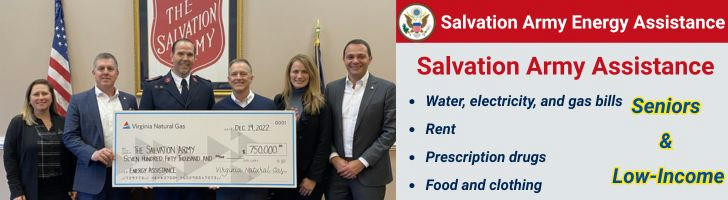
Salvation Army energy assistance programs target seniors and low-income families by helping with electricity, gas, and other essential utility bills. Assistance can include direct bill payment, cash support, or guidance on federal aid programs such as LIHEAP (Low-Income Home Energy Assistance Program).
These programs help alleviate short-term financial pressure while ensuring households have access to basic living necessities. Each local Salvation Army unit may tailor assistance based on community needs and available funding.
📊 How Does Energy Assistance Work?
Energy assistance typically combines charitable support from the Salvation Army with government-funded programs:
🔹 Salvation Army Local Support
Local Salvation Army branches provide emergency utility assistance or connect applicants to other local resources. Applicants can start the process by contacting their nearest branch or using the Salvation Army assistance portal.
🔹 Federal Programs (LIHEAP and Others)
The Low-Income Home Energy Assistance Program (LIHEAP) is a federally funded initiative that helps eligible households pay a portion of their home energy costs. The amount of assistance depends on household size, income, and energy expenses, and funds are distributed through local community agencies in each state.
Services such as 2-1-1 hotlines can help applicants locate the right local programs to apply for assistance.
❤️ Why Energy Assistance Matters for Seniors
Utility bills can be especially challenging for seniors living on fixed incomes, such as Social Security or limited retirement savings. Energy assistance offers several benefits:
Financial Relief: Avoid having to choose between paying bills and covering essentials like food or medicine.
Health and Safety: Cold winter temperatures can be risky for heart and respiratory health.
Peace of Mind: Ensures a warm and comfortable home environment.
While energy assistance is critical for seniors aged 65 and above, individuals aged 55 and older can also benefit during peak energy cost periods.
👵 Age Groups and Their Needs
Ages 55–65: Many are transitioning into retirement or living on reduced income; assistance eases financial pressure.
Ages 65–75: Fixed-income households benefit from subsidized energy costs, helping maintain basic living standards.
Ages 75–85: Reduced mobility makes a warm home critical for health and safety.
Ages 85+: The very elderly are the most vulnerable; reliable energy support directly impacts comfort and safety.
Energy assistance supports seniors’ warmth, safety, and financial relief.
📝 How to Apply for Energy Assistance
Applying for utility assistance generally involves these steps:
- Check Eligibility: Household size and income determine qualification.
- Contact Local Salvation Army Branches: Reach out to local offices or use the assistance portal to find nearby programs.
- Reach Out to Community Services: Calling 2-1-1 connects applicants to LIHEAP and other local programs.
- Prepare Required Documents: Typically includes proof of income, identification, and utility bills.
- Wait for Approval: Assistance is provided directly to utility companies or through funding to the household once approved.
🌟 Other Services Beyond Energy Assistance
Salvation Army support is not limited to utility assistance. Other services include:
- Rent, mortgage, and food assistance
- Medical and prescription support
- Clothing, transportation, and seasonal programs
Combined, these services provide a safety net for seniors and low-income families, helping them maintain stability and dignity.
💡 Conclusion
Energy assistance through the Salvation Army and related federal programs can make a meaningful difference for seniors and low-income households. If you or someone you know struggles to pay utility bills, contact local programs early to ensure that lights and heat remain on throughout the winter.