
🐾 Salvation Army Pet Support Programs in the U.S.
Dog Food & Cat Food Assistance | Pet Vaccination & Microchip Support | Community-Based Pet Care
For seniors on fixed incomes and low-income households, caring for pets often involves ongoing expenses such as dog food, cat food, routine vaccinations, and pet identification services. These recurring needs can place added pressure on families already managing tight budgets—especially when pets are an important source of companionship and emotional support.
Across various U.S. communities, The Salvation Army supports pet-inclusive assistance programs through local service centers and community partnerships. These initiatives help households maintain access to pet food, preventive vaccinations, and microchip implantation, supporting long-term pet health while easing overall care-related costs.
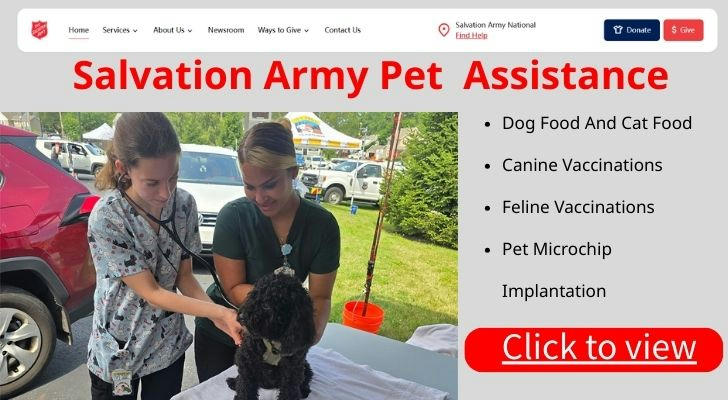
🦴 Pet Food & Essential Pet Support Through Community Programs
At select Salvation Army locations, pet-related support is incorporated into broader assistance efforts. This may include access to dog food and cat food distributed through community programs, helping families maintain consistent nutrition for their pets during periods of financial strain.
By addressing both nutrition and preventive care, community-based pet support helps households avoid disruptions in pet care and supports responsible, long-term pet ownership.
💙 Why Pet Support and Preventive Care Matter
Pets play a critical role in household stability and emotional well-being. Access to pet food and preventive services can help:
- Reduce long-term veterinary-related expenses
- Maintain vaccination compliance
- Improve eligibility for pet daycare services
- Support favorable pet insurance terms
Preventive care combined with nutritional support allows families to plan more effectively for future pet-related needs.
🐕 Community Pet Clinics & Preventive Care Services
Through partnerships with local animal welfare organizations, Salvation Army–supported community initiatives include pet care clinics focused on preventive services.
Services typically provided through these programs include:
- Canine vaccinations, such as distemper and parvovirus
- Feline vaccinations, including FVRCP (feline viral rhinotracheitis, calicivirus, and panleukopenia)
- Rabies vaccinations for dogs and cats
- Pet microchip implantation for identification and recovery support
Community feedback indicates that access to these services helps lower the overall cost of vaccinations and microchipping, improves participation in pet daycare programs, and in some cases contributes to lower pet insurance costs by keeping pets’ health records up to date.
👨👩👧👦 Who May Benefit From Pet Support Programs?
Pet-inclusive assistance programs commonly support:
- Low-income households managing rising living expenses
- Seniors living on fixed incomes with companion animals
- Families with children and household pets
- Individuals experiencing temporary financial challenges
- Pet owners seeking structured preventive care support
These programs focus primarily on dogs and cats, the most common household pets.
🐾 Pet Eligibility & Age-Based Support Categories
Pet support services are designed around different life stages. Community pet care programs generally apply to pets between 6 weeks and 6 years of age, covering early development through active adulthood.
🐶 Puppies & Kittens (6 weeks – 12 months)
Young pets benefit from initial vaccination series and microchip implantation, supporting early disease prevention, safe socialization, and future care planning.
🐕 Adult Dogs & Cats (1 – 6 years)
Adult pets commonly receive booster vaccinations and rabies protection, helping maintain standards required for housing, daycare participation, and insurance coverage.
👤 Pet Owner Support by Age Group
Pet-inclusive assistance programs also consider the needs of pet owners at different life stages, recognizing that caregiving responsibilities and financial pressures vary by age.
🧑🦱 Young & Working-Age Adults (18–44)
Pet owners in this group often balance employment, housing costs, and family responsibilities. Access to dog food, cat food, vaccinations, and microchip services helps manage monthly expenses while supporting stable pet care.
👨👩👧👦 Midlife Adults & Caregivers (45–59)
Adults in this age range may support children, aging family members, and household pets simultaneously. Community pet support helps maintain consistent pet nutrition and preventive care during financially demanding years.
🧓 Seniors (60+)
Older adults living on fixed incomes frequently rely on community-based pet support to care for companion animals. Access to pet food, routine vaccinations, rabies compliance, and microchip identification supports independent living, emotional well-being, and long-term companionship.
📍 Accessing Pet Support Through Local Salvation Army Programs
Pet-related assistance may be available through local Salvation Army service centers and partner organizations via:
- Community assistance distributions that include pet food
- Scheduled pet care clinic events
- Local outreach programs connected to animal welfare partners
Availability and services vary by location and depend on local capacity and partnerships.
📝 How Pet Owners Typically Access Support
While processes differ by community, households usually access pet support by:
- Contacting a nearby Salvation Army service center
- Asking about pet-inclusive assistance or community pet care initiatives
- Visiting during scheduled support hours or events
- Providing basic household or pet information if requested
Support offerings are structured to align with community needs and available resources.